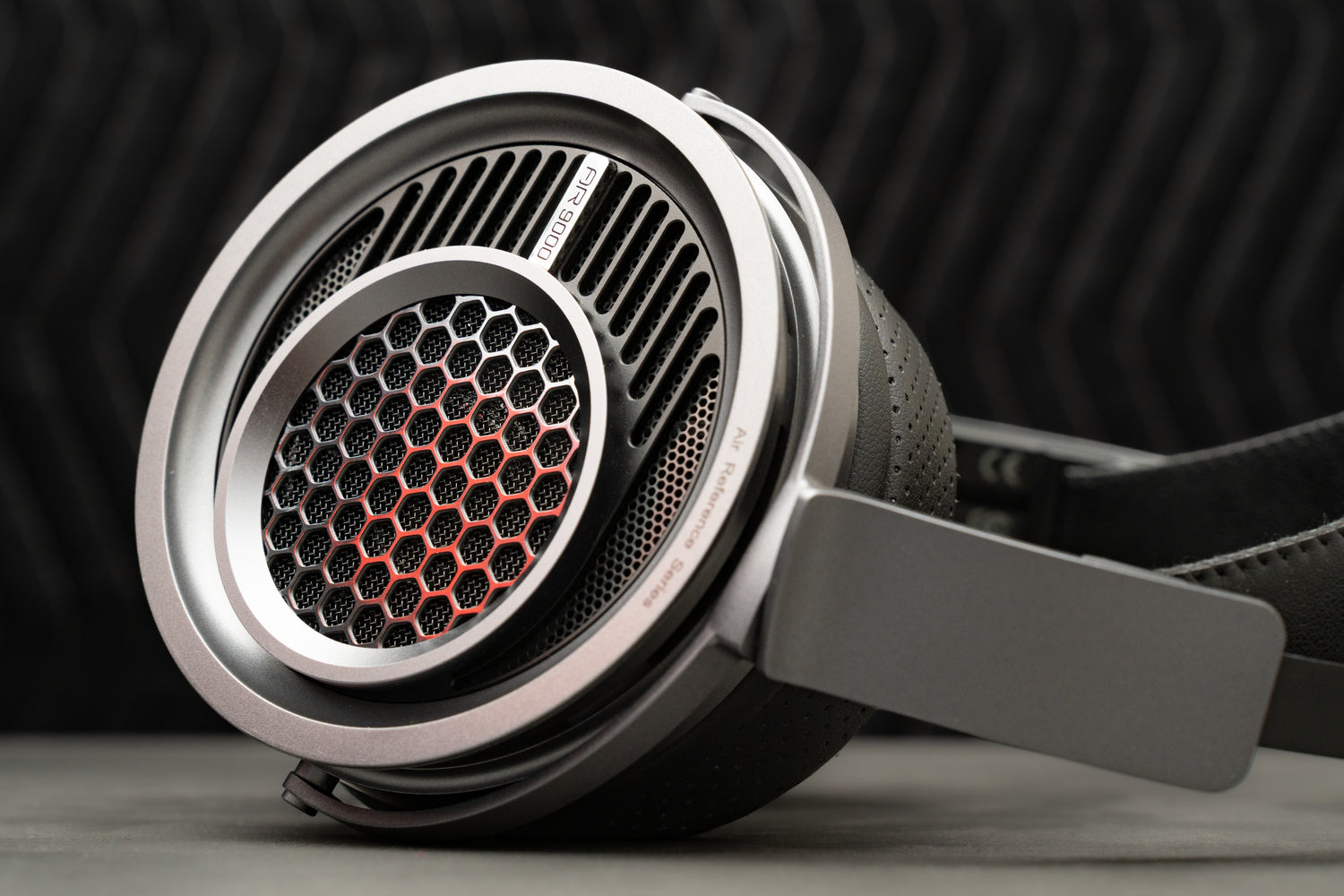

Elex B Stock


Lightning Fast Shipping
We will get you your in stock item on time, every time. And it's free!
Sonic Club Loyalty
Join the Sonic Club and earn rewards for future purchases and perks.
Customer Experience
Our team of customer experience experts feels like family.
Shop the world’s best selection of headphones and home audio
Want an expert opinion?
Have a budget in mind?
Read our buying guidesWant our recommendation?
Shop our Curated Bundles-
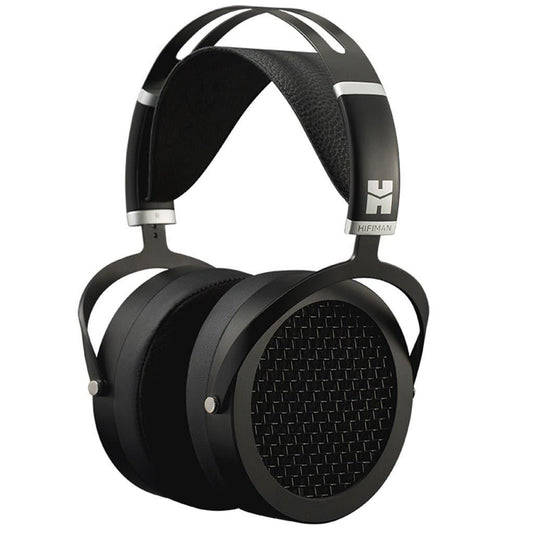
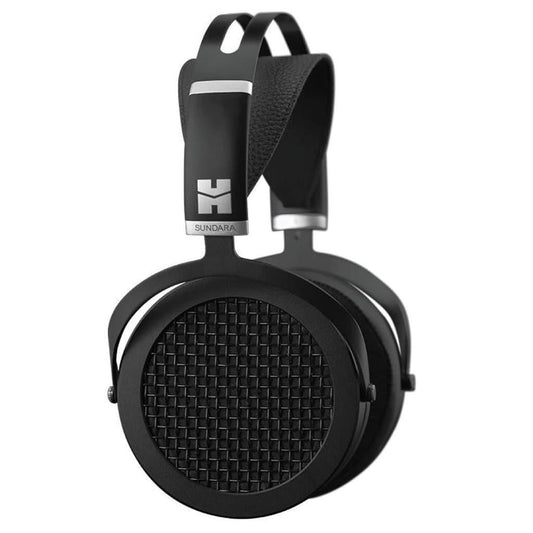 Vendor:Hifiman
Hifiman Sundara Headphones
Regular price $179Sale price $179 Regular priceUnit price per$299.00On sale -
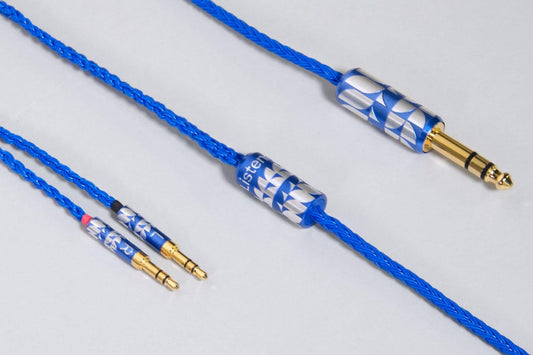
Vendor:Listenmore
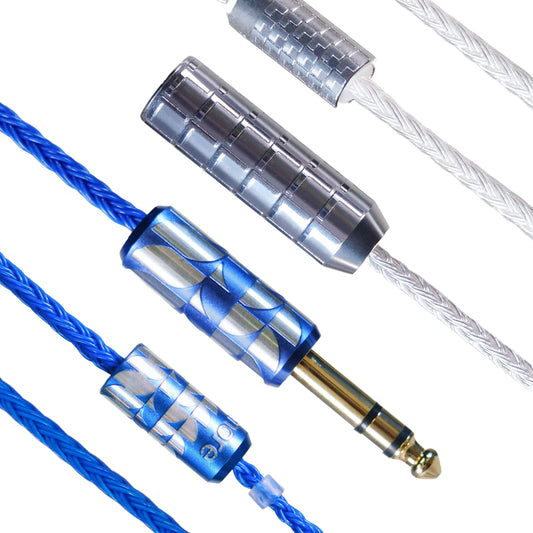
Etched Headphone Cable
Regular price From $69.99Sale price From $69.99 Regular priceUnit price per$69.99 -
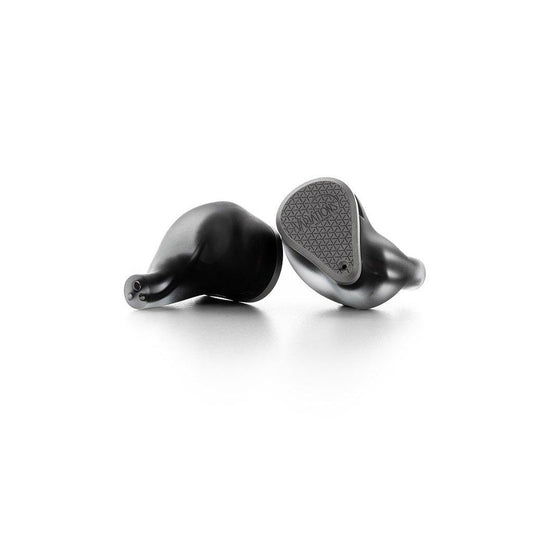
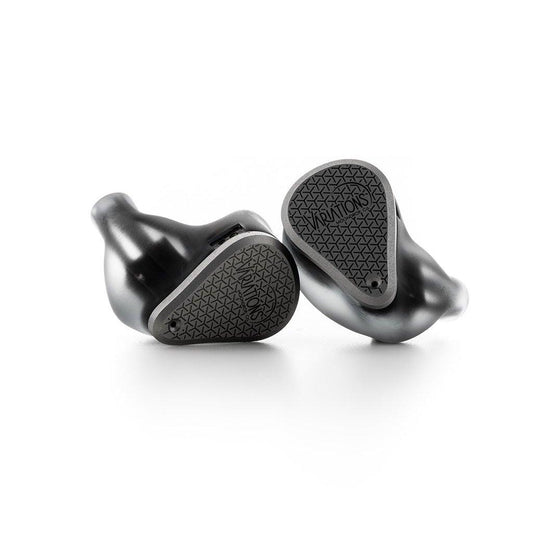
Vendor:Moondrop
Moondrop Variations Tribrid In-Ear Headphones
Regular price $520Sale price $520 Regular priceUnit price per$520.00 -
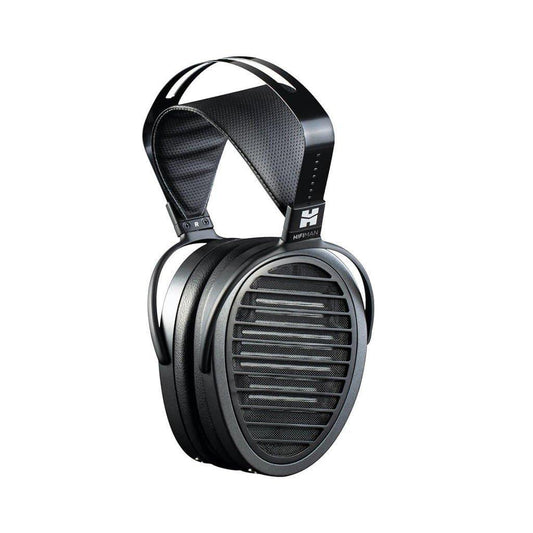
Vendor:Hifiman
Hifiman Arya Headphones | Stealth Magnets Edition
Regular price $599Sale price $599 Regular priceUnit price per$599.00 -
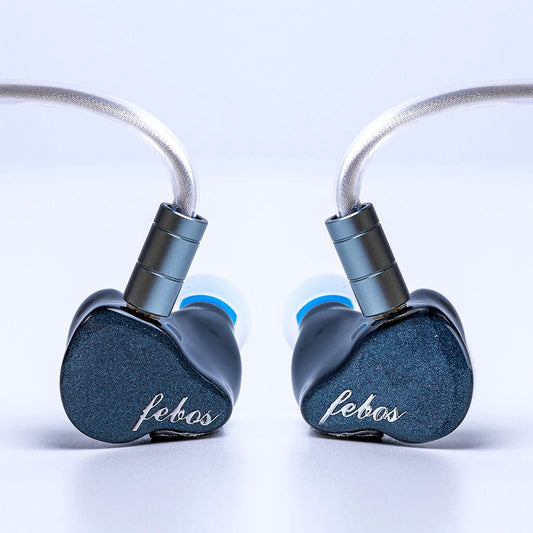
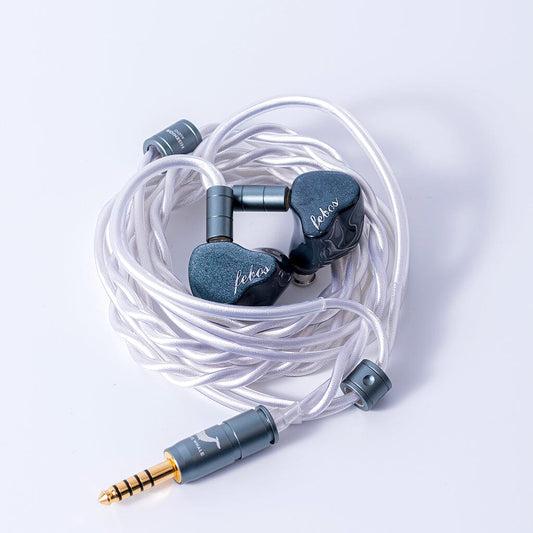 Vendor:Hisenior Audio
Hisenior Audio Mega5-EST In-Ear Headphones
Regular price $549Sale price $549 Regular priceUnit price per$599.00On sale -

 Vendor:CrinEar
CrinEar Daybreak In-Ear Headphones
Regular price $169.99Sale price $169.99 Regular priceUnit price per$169.99







Thousands of 5-star reviews on Trustpilot make us the most trusted place to buy headphones and home audio on the internet.
Honest & Unfiltered Reviews From the Experts
Our expert reviewers give you the latest information on premium headphones.
-

Moondrop x Crinacle Silicon: MEMS Done Right?
Unlike most MEMS driver-equipped IEMs, Silicon understands the meaning of balance... but is that enough for us to find it a benchmark at its price?
-

An Electrostatic Headphone That's Easy to Recommend
Hongshu Audio's EH-1 electrostatic system offers an ultra open-feeling listening experience, and comes with its own energizer, which all-in-all means EH-1 arrives as a much-needed accessible entry point into the electrostatic headphone market.
-

CrinEar Nightfall Review: Reference, but Cheaper?
The $99 CrinEar Nightfall delivers exceptional bass-to-midrange refinement and timbre, and easy-to-recommend ergonomics, though its high-frequency performance may end up being a bit of a limitation on how high its ceiling can be for end-users.
-

Moondrop GM-01 Pro Review: The Best Gaming Headset Under $100
The Moondrop GM-01 Pro is a $50 wireless gaming headset with plush cloth pads, "smart" V-shaped tuning, and full web-based parametric EQ.


