Headphones and Texting: Dangers of Distracted Driving

As a teen, getting one's driver's license is a highly anticipated and life-altering event. A car is a step towards becoming an adult and more importantly, it is a sign of freedom. There are dangers associated with driving however, that can turn the excitement of driving into a nightmare and may even lead to injury or death. One of the top dangers involves distractions that occur when behind the wheel. Distractions come in many forms, typically involving habits and devices that most teens regularly have on hand, such as MP3 players and headphones or even cell phones. Before getting behind the wheel for the first time it is important to understand the laws involving these devices and when they can and cannot be used. For example, it is illegal to wear headphones while driving. It is also important to understand why they are considered distractions, in addition to what other things may make a person pay less attention to driving.

What is Distracted Driving?

When driving a car it is important to keep all of one's attention on the actual act of driving. This means paying attention to how they are handling the car as well as being alert to conditions on the road, pedestrians and other vehicles. When an activity takes a driver's attention away from driving, even for a second or two, it takes their mind and eyes off of driving. This is known as distracted driving. There are three primary distractions that frequently occur while driving. These distractions are visual, manual and cognitive. If a person removes their hands from the steering wheel while they are driving, to answer or send a text message or to use their cell phone for example, it is called a manual distraction. When a person is preoccupied with thoughts other than driving it is called a cognitive distraction. A cognitive distraction could be focusing on a song that is playing, focusing on a cell phone conversation, or arguing with a passenger while driving. A visual distraction takes place when a driver takes his or her eyes off the road. Visual distractions include looking for an object that has dropped, such as an earbud that has fallen from the driver's ear, or looking off to the side at an accident or at scenery.

Distracted Driving Statistics

Distracted driving is a problem that kills a large number of people on a yearly basis. Understanding the statistics, or the percentage of people who are affected by people who don't pay attention while driving can help teens to better understand how big of a problem it is. Over 5,470 people in 2009 died in car accidents that involved drivers that were distracted. That year, 448,000 people were hurt in these types of accidents. Often cell phones and texting are a cause of distracted driving, particularly with young drivers. Of drivers in the United States, 25 percent say that they use cell phones regularly. Roughly 1,000 of the deaths caused by distracted driving were a result of people using cell phones as they were driving. The risks of getting in an accident while distracted increase when the driver is a teen younger than 20, between 15 and 16 percent of fatal car accidents in this age group were a resulted of distracted driving.

Cell Phone Use While Driving

Cell phone use while behind the wheel of the car is a distraction that often leads to accidents. In terms of both handheld and hands-free phones, their use can be a cognitive distraction, in which the driver is more focused on his or her conversation than driving or watching for changes that might alert them to a potential accident risk. Handheld cell phones may also be a manual and visual distraction. When a person reaches for a handheld cell phone, they must look down to pick it up, see who is calling, and answer it. This is time when their eyes are not on the road, and is therefore a visual distraction. Actually picking up the cell phone is a manual distraction, because they've taken their hand from the wheel to pick it up. Even if this takes only seconds, it is enough time for an accident to occur. When a person's cell phone has online capabilities, they may also risk opening and reading an email while they are driving. Sending and receiving text messages are also visual and manual distractions that require the driver to both look away from the road and remove their hand from the steering wheel. Accidents from text messaging have become so common that they have surpassed the number of accidents caused by drunk driving.

In some states, such as California and New York, the use of hand-held cell phones by all drivers is prohibited by law. This ban on cell phone use does not apply to hands-free devices, that allow the driver to place a call or talk on his or her cell phone without actually holding the phone. In other states, young and inexperienced drivers may be the only ones who are prohibited from using both handheld and hands-free cell phone devices. In addition, many states have also included bans against text messaging while driving. This may be for all drivers, professional drivers such as bus drivers, or novice drivers only.

Eating, Changing the Radio, and Other Distractions

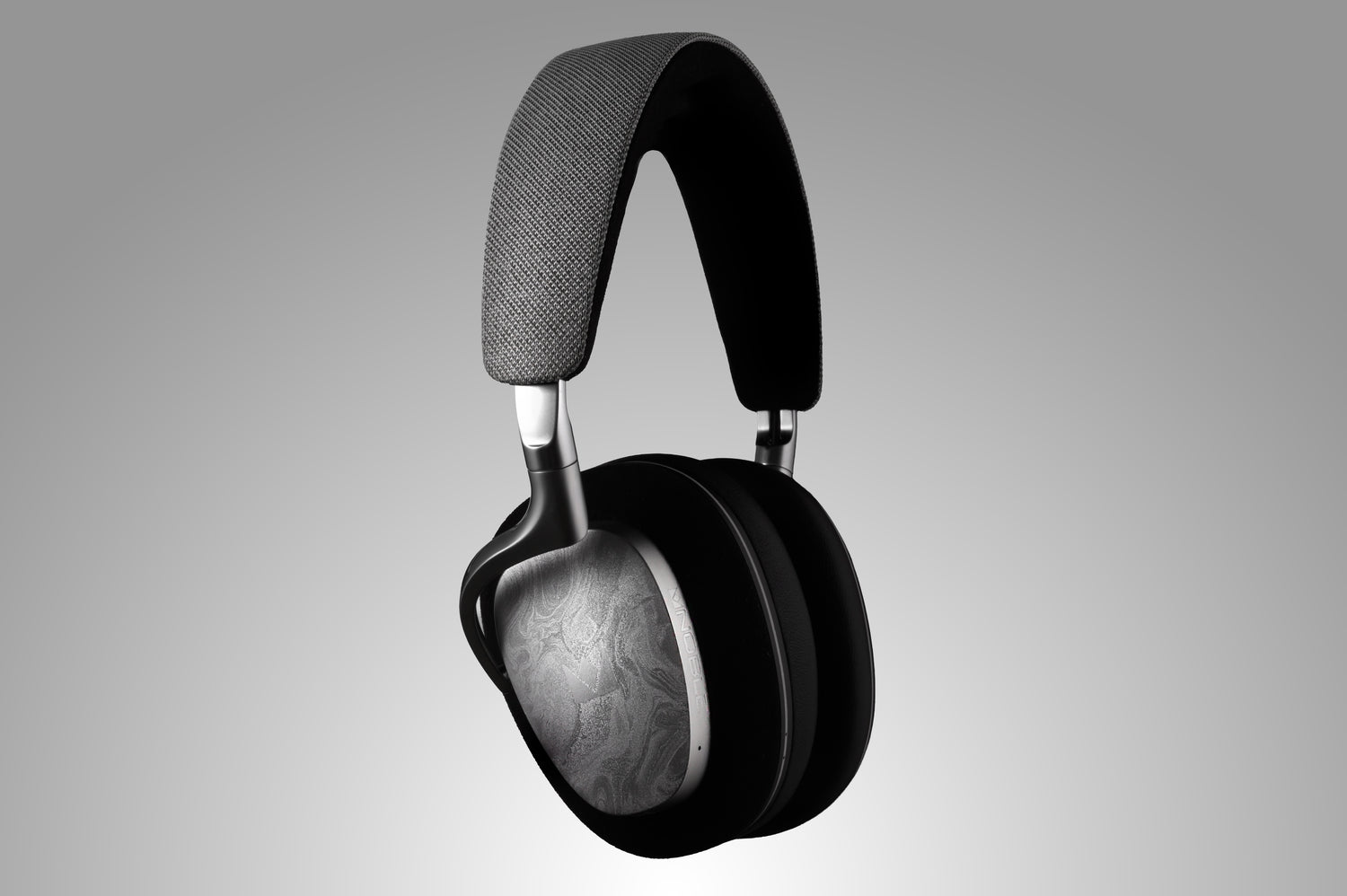
Cell phones and text messaging are the most recent distractions when it comes to driving, but there are other numerous things that have a history of distracting drivers and are still problematic today. Music, for example, can divert a person's attention from the road. Music that is played too loudly, that is listened to using headphones or earbuds, can prohibit a person's ability to hear and may cause them to focus on their music more than what is going on around them as they drive. Changing the radio, CDs or switching songs on an MP3 player also proves problematic while driving and forces the driver to take his or her eyes off the road.

Another common problem is eating while driving. When eating, a person must use one of their hands to reach for and hold their food. If the food drops they may attempt to catch it or look down at their clothing. In other cases, a person may drop something that is hot, such as coffee, and burn themselves while they are behind the wheel. Grooming is another problem that can take a person's attention off of driving. Putting on makeup, combing one's hair or even shaving are all activities that can cause an accident and that should be completed before getting behind the wheel.

Passenger Distractions

The presence of other people in the car, even pets, can be a problem for many drivers and can increase the risk of an accident. For parents this distraction may be their children talking, arguing or even crying in the back seat of the car. Pets in the car can also be a distraction, especially if they are not on a leash or in an appropriate animal carrier. Animals may climb in the driver's lap or jump down by the driver's feet and the foot pedals, all of which will take the drivers attention off of driving and what is going on around him or her.

As a teen it is important to understand how passengers can be dangerous distractions. Teen drivers are frequently more distracted when others are in the car, particularly other teens. Teen passengers may behave in a playful or silly manner that encourages recklessness. For example, teens may take greater risks, such as driving at greater speeds, when driving with passengers, or they may get caught up in the behavior of their friends. Sometimes just the presence of friends in the car, regardless of their behavior, may encourage teens to be inattentive or drive in a way that could prove dangerous. In fact, statistics show that a teen with two passengers or more runs more than three times the risk of getting into an accident than if driving alone or with a single passenger.

Young Drivers and Distractions

While distracted driving is a problem for people of all ages, it is a major problem for young, novice drivers. Distractions for young drivers are typically the same as with older drivers, however certain distractions, such as sending messages, is often a greater problem for young drivers. According to the National Highway Traffic Safety Administration (NHTSA), teens between the ages of 15 and 19 made up 12 percent of distracted drivers who were involved in fatal car crashes in 2009. Of the overall number of teen drivers, 15 percent were distracted and involved in fatal crashes. Of the people who died in distracted driving crashes, 64 percent were other teens, including passengers.

When it comes to young drivers between the age of 18 and 20, a 2011 NHTSA survey found that out of 718 drivers this age group had twice as many crashes as drivers between the age of 21 to 24 and up to four times as many crashes as older, more experienced drivers. Of these crashes, 13 percent involved using their phones for talking or messages. Of the accidents, 8 percent involved actually sending emails or text messaging while 3 percent were reading their text or email messages and 2 percent were having a cell phone conversation.

Prevent Distracted Driving with these Tips

Despite the numerous ways that a person can lose focus when driving, it is possible to avoid these distractions. Being prepared before heading out on the road is one of the most useful tips that can be given. This means turning off the cell phone if a hands-free set is not available, or setting up the hands-free device so that it can be operated using voice commands. Mirrors, air conditioning or heating, and music should be set to the driver's satisfaction, before getting on the road. If a woman needs to apply makeup, she should do so at home or wait until she has reached her destination. Keep in mind that wearing headsets and earbuds while driving is not only dangerous, but it is also illegal. Drivers should keep them at home, or if they are needed, put them away in a purse, backpack or the glove compartment while behind the wheel. When driving with a passenger, keep conversation light and avoid discussions that can cause an argument or some other extreme emotional response. Pull over if it is necessary to answer the cell phone, eat food, or if something is happening in the car that could prove to be a distraction.


Trouble viewing this page or experiencing errors?
email: webmaster@alltecstores.com
McAfee SECURE sites help keep you safe from identity theft, credit card fraud, spyware, spam, viruses and online scams